1. Energy-Efficient Vacuum Gripping System
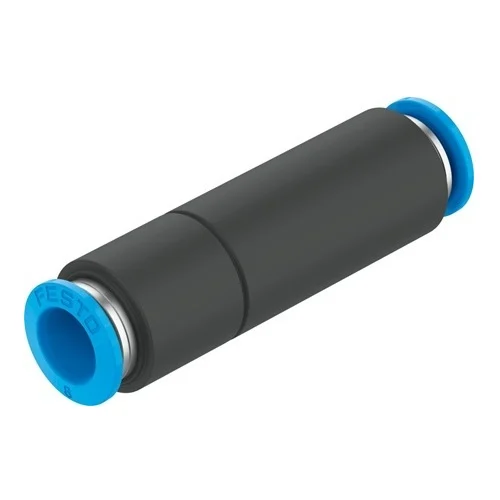
Integration into the suction line of a robotic vacuum gripper to maintain negative pressure when the vacuum generator is deactivated. The valve is installed between the vacuum ejector and the suction cup.
Problem SolvedPrevents the dropped parts and reduces air consumption. Without the valve, the vacuum generator must run continuously to hold the part. The H-QS-8 traps the vacuum (-1 bar capability) at the cup, allowing the ejector to switch off (energy saving) while securely holding the payload.
Vacuum retention-1 bar operating pressureQS-8 push-in connectionPick-and-place safety
2. Mobile AGV Pneumatic Reservoir Isolation
Used at the charging port of a mobile Automated Guided Vehicle (AGV) that utilizes compressed air for braking or lifting mechanisms. It permits the onboard tank to fill from a docking station and seals immediately upon disconnection.
Problem SolvedEnables rapid charging of the onboard pneumatic system without manual intervention or air loss during undocking. The high nominal flow rate (681 l/min) supports fast refill cycles, while the non-return function ensures the AGV retains braking pressure (up to 10 bar) after leaving the station.
Supply line isolation681 l/min flow rate10 bar pressure ratingMobile robotics
3. Pneumatic Clamping Pressure Protection
Installed upstream of a pneumatic clamp cylinder in a machining fixture. It isolates the clamping circuit from the main air supply network.
Problem SolvedPrevents workpieces from coming loose due to pressure fluctuations in the main plant supply (e.g., when a nearby high-consumption machine activates). The low opening pressure (0.1 bar) ensures the clamp receives near-maximum force, while the valve blocks backflow if the supply pressure momentarily drops below the clamped pressure.
Pressure retention0.1 bar cracking pressureBackflow preventionWorkholding safety