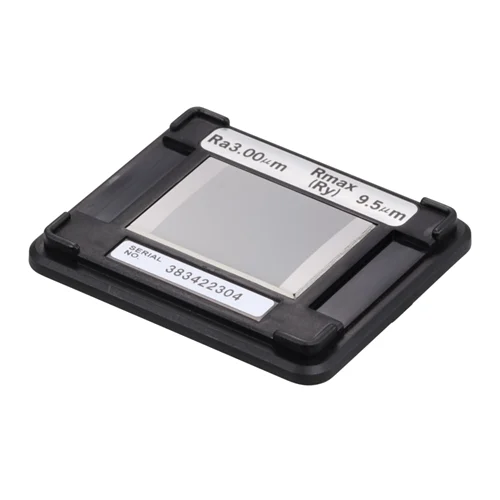
1. Automotive Cylinder Bore Texture Calibration
Calibrating stylus-type surface roughness testers used to evaluate the cross-hatched pattern inside automotive engine cylinder blocks. The tester must precisely measure the Ra value to ensure proper oil retention and piston ring wear.
Problem SolvedEnsures the measurement integrity of the Surftest stylus before profiling the cylinder walls. A deviation in calibration could lead to accepting components with incorrect micro-texture, causing engine friction or high oil consumption.
Surface RoughnessCalibration StandardStylus ProfilometerRa 3.0 µmQuality Control
2. Precision Hydraulic Rod Surface Verification
Regular calibration of portable roughness checkers used on the manufacturing line of hydraulic cylinders and piston rods. These rods require an extremely specific finish to prevent seal damage while maintaining fluid lubrication.
Problem SolvedSolves the risk of measurement drift over time due to environmental factors like temperature or micro-shocks to the portable tester. Using the 178-601 reference standard on-site ensures the tester operates within its ±3% nominal accuracy range.
Hydraulic PistonMetrologySurface TextureCalibration BlockSurftest SJ-210
3. Machine Shop CNC Lathe Surface Finish Quality Auditing
Verification of surface roughness measurement equipment in machine shops producing turned aerospace parts. Periodic validation against a certified Ra 3.0 µm reference specimen is required to pass quality audits.
Problem SolvedEnsures continuous traceability and calibration conformance to ISO/JIS standards. By validating the instrument against a stable, known reference specimen on the shop floor, machinists avoid shipping out-of-tolerance parts.
CNC TurningRoughness VerificationTraceabilityAerospace ManufacturingReference Specimen