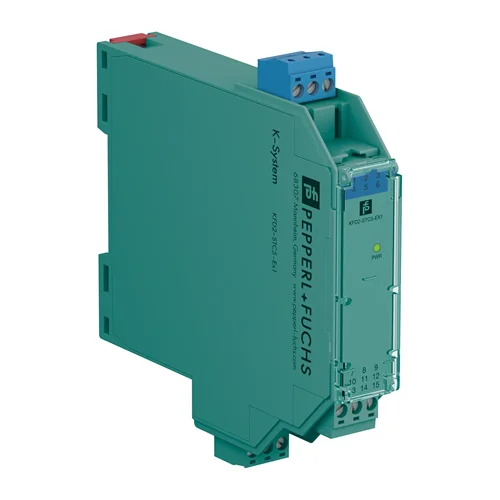
1. Hazardous Area Process Monitoring in Oil & Gas
This module enables safe and reliable transmission of 4-20 mA signals from SMART pressure, temperature, or flow transmitters located in Zone 0, 1, or 2 hazardous areas (e.g., oil refineries, gas processing plants) to control systems in the safe area. The intrinsic safety design prevents ignition in potentially explosive atmospheres.
Problem SolvedEnsures signal integrity and prevents explosions by isolating non-intrinsically safe control systems from field devices in explosive gas/dust environments, crucial for continuous process monitoring and control.
Intrinsic SafetyHazardous AreaZone 0/1/24-20mAHART CommunicationProcess ControlExplosion Protection
2. Chemical Plant Safety Instrumented Systems (SIS)
Integrated into Safety Instrumented Systems (SIS) in chemical plants, the KFD2-STC5-Ex1 provides an SIL 2 rated interface for critical process variables. It ensures that signals from field instruments (e.g., emergency shutdown valves, level sensors) located in hazardous zones are transmitted safely and reliably to the safety PLC, supporting functional safety requirements.
Problem SolvedProvides a high-integrity, SIL 2 compliant barrier for safety-critical measurements in chemical processing, preventing potential safety incidents by ensuring accurate and isolated signal transmission from hazardous to safe areas.
Safety Instrumented System (SIS)SIL 2Functional SafetyChemical ProcessingIsolated BarrierHART Communication
3. Remote Diagnostics and Asset Management in Petrochemical Facilities
The bi-directional HART communication capability of the KFD2-STC5-Ex1 allows for remote diagnostics, configuration, and asset management of SMART field devices (e.g., Coriolis flow meters, pH sensors) installed in petrochemical hazardous areas from a control room. This minimizes the need for personnel entry into dangerous zones, enhancing safety and operational efficiency.
Problem SolvedFacilitates remote monitoring and maintenance of instruments in hazardous petrochemical environments through HART communication, reducing personnel exposure to danger and streamlining commissioning and calibration.
HART CommunicationRemote DiagnosticsAsset ManagementPetrochemicalSMART TransmittersHazardous Area Maintenance