1. Industrial PLC/DCS Signal Interfacing
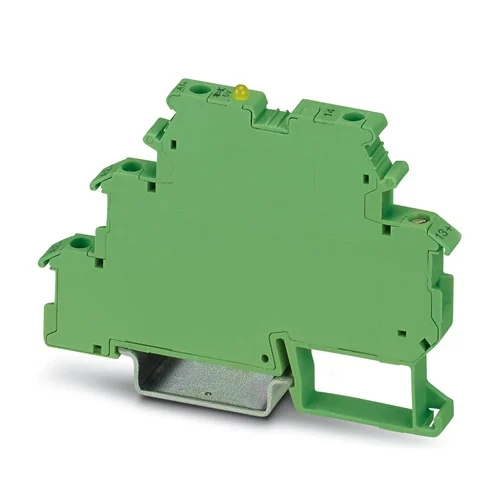
This solid-state relay effectively interfaces low-voltage (5V DC) control signals from PLCs or DCS systems to higher voltage (up to 30V DC) industrial loads like small solenoid valves, contactors, or indicator lights. The robust 2.5 kVrms isolation provides critical protection for sensitive control electronics against electrical noise and voltage spikes from the load side, enhancing system reliability and longevity.
Problem SolvedProtects expensive PLC/DCS systems by providing galvanic isolation and efficiently translates low-level control signals to reliably drive higher power industrial loads, ensuring wear-free and precise switching operations.
PLC interfacingDCS systemsgalvanic isolationindustrial loadssignal amplificationnoise suppressionwear-free switching
2. Automated Test Equipment (ATE) for Low Current DC Switching
Ideal for automated test setups requiring precise and fast switching of DC signals or low-current loads up to 3A. Its solid-state design ensures reliable, wear-free, and silent operation. The compact 6.2mm width allows for high-density integration within complex test fixtures, optimizing space utilization.
Problem SolvedEnables high-speed, repeatable, and silent switching of DC test signals or small loads without mechanical wear, significantly improving the lifespan, accuracy, and throughput of automated test equipment.
ATEDC switchinghigh-speed switchingcompact designwear-freetest fixturessignal routing
3. Building Automation and HVAC Control
Suitable for switching low-voltage DC actuators, dampers, or small fan motors (up to 3A) in building automation and HVAC systems. This solid-state relay offers reliable, quiet operation and essential protection against electrical disturbances. The wide operating temperature range of -20°C to 60°C makes it suitable for diverse environmental conditions found in equipment rooms.
Problem SolvedProvides a compact, reliable, and quiet method for controlling various DC loads in building management systems, extending system longevity by eliminating mechanical relay wear and safeguarding critical control circuits from electrical issues.
HVAC controlbuilding automationDC actuatorsfan controlquiet operationelectrical isolationtemperature stability